
Do my garage door rollers need replacing?
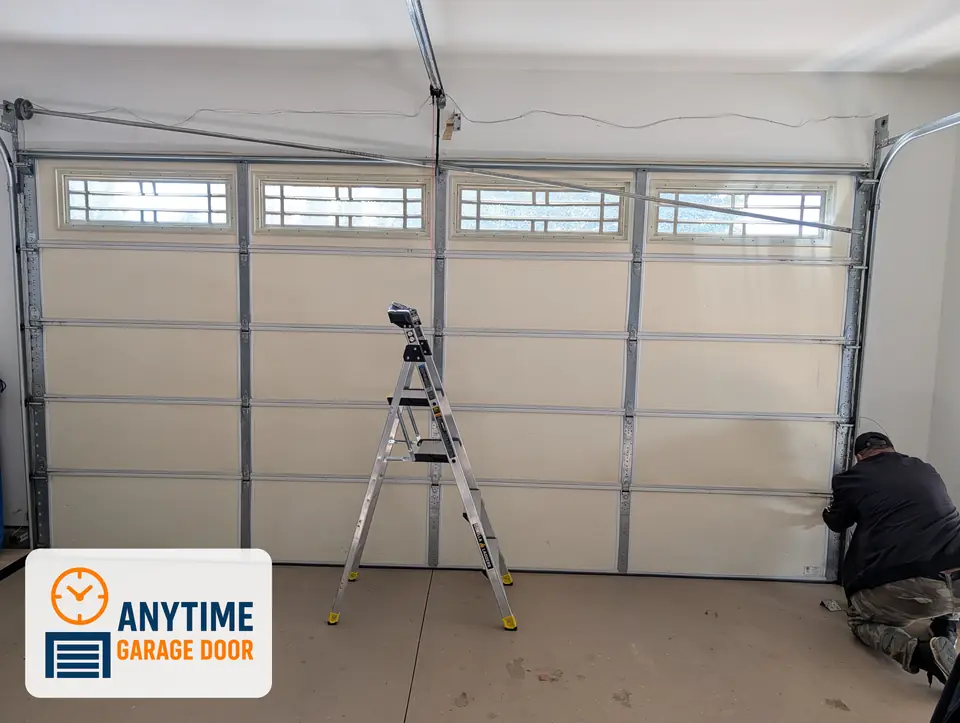
If the door has gotten louder over time, the rollers are the first place to look. Worn rollers wobble on their stems, scrape along the track instead of rolling, or stop turning and simply slide. Most of these signs are easy to spot from the floor:
- Wheels that are cracked, chipped or worn flat on one side.
- Bearings that are rusted, loose or falling out of the wheel.
- Bent stems that tilt the wheel inside the track.
- Black dust or shavings in the track below a roller.
- A door that shakes or jerks at the same spot every time.
If several of these show up, it's time to replace the full set rather than one wheel at a time.
Nylon vs. steel rollers
Most rollers fall into three groups: bare steel, plain plastic and nylon. Steel rollers are tough, but they're loud, they rust, and bare metal rings against a steel track. Plain plastic wheels tend to crack and wear out.
We install quiet nylon rollers. Nylon wheels roll quietly against the steel track and don't rust, so the door sounds smoother from the first trip. On a garage under a bedroom, or a door that opens many times a day, the difference is easy to hear.
Why worn rollers matter
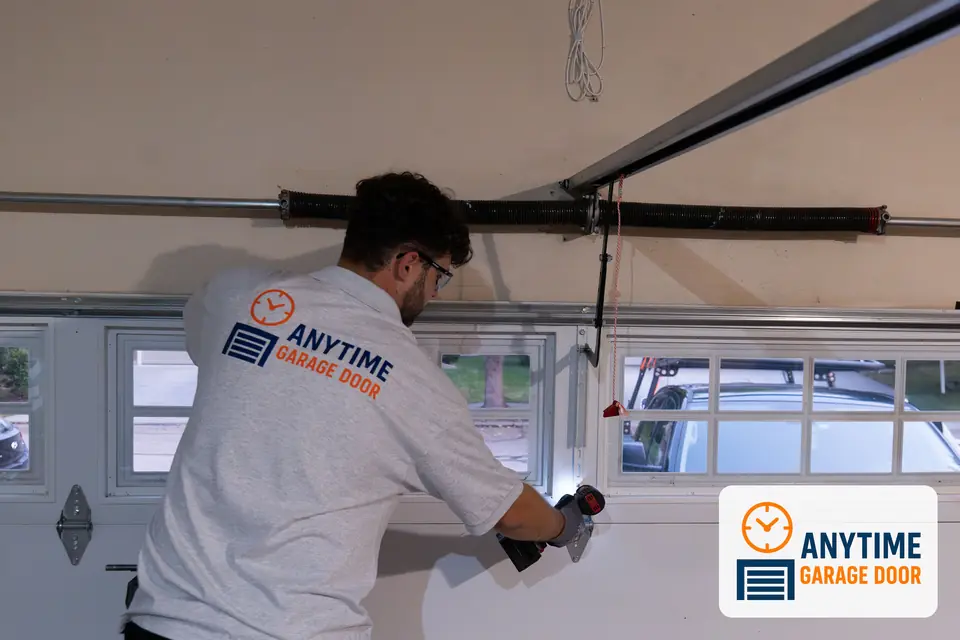
A noisy roller isn't only annoying. When rollers drag, the opener has to push harder on every trip, and that extra strain wears its gears and motor sooner. A roller that seizes or breaks can also let the door slip out of the track. If that happens, stop using the door and stay out from under it until it's secured.
Summer heat and dust in the Treasure Valley don't help. Dust settles in the tracks and grinds into old bearings, so rollers on busy, dusty doors tend to wear faster.
What's safe to do yourself
You can look at the rollers, wipe dust out of the tracks and listen for where the noise starts. Skip heavy grease in the tracks, since it collects dust and makes the problem worse.
Leave the replacement to us. The bottom roller brackets on each side hold the lift cables, which connect to springs under dangerous tension. Never loosen, unwind or remove those brackets, cables or springs yourself.
Roller, track or opener?
Noise and rough movement can come from three places. If the wheels are worn but the rails are straight, it's a roller job. If a rail is bent or a roller has jumped out, see track repair instead.
If the door rolls smoothly but the motor grinds, strains or stops, the trouble is in the opener, so see opener repair. Rollers are also checked in every tune-up, which covers lubrication, adjustments, and the sensor and auto-reverse checks. If your rollers are still in fair shape, a tune-up may be all the door needs.
How it works
- Listen and inspectWe run the door and check every roller, stem and hinge, plus the tracks.
- Go over the findingsWe show you the worn rollers and quote the swap before we begin.
- Swap the rollersWe fit new nylon rollers, handling the bottom brackets and cables with care.
- Final checkWe watch the door through its full travel, check the balance, and put the sensors and auto-reverse through their tests.