
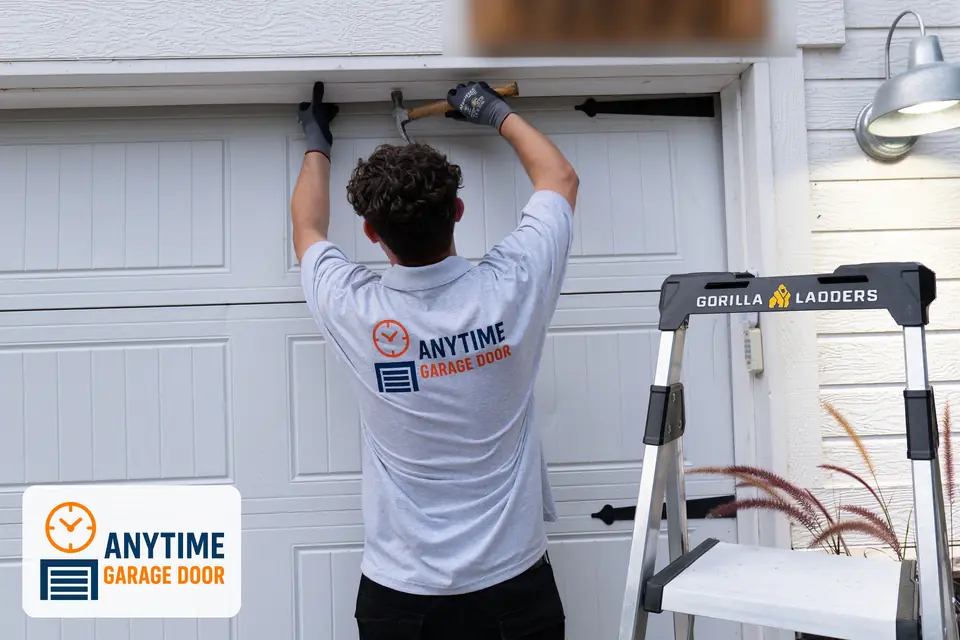
When your garage door seals need replacing
If you can see daylight under or around a closed garage door, it usually means the seals are worn. Rubber and vinyl seals harden in winter cold, crack in summer heat, and get squashed every time the door closes. Once they stop sealing, the garage turns drafty and dusty, and pests find an easy way in.
We replace all three parts of the seal system:
- Bottom seal: the rubber strip along the bottom of the door that presses against the floor.
- Top seal: the strip across the top of the opening.
- Side trim seals: the flexible strips along each side of the frame.
The bottom seal usually goes first, since it takes the most wear. Top and side seals last longer, but sun and cold crack them too.
How to check your seals
On a sunny day, close the garage door, turn off the lights and look around the edges. Anywhere light comes through, air, dust and water get in too. Then look at the seals themselves:
- A bottom seal that's flat, cracked, torn or missing pieces
- Gaps at the corners, where the bottom seal meets the side seals
- Side seals that are brittle, curled away from the door or pulled loose
- Dust or leaves piling up inside the door after windy days
- Mouse droppings, crickets or spider webs near the door
Looking over the seals with the door closed is safe to do yourself.
If the door closes unevenly, with a gap on one side only, a cable or spring may be off. Stop using the opener, keep children and pets away, don't walk under the door, and don't touch the cable or spring. That calls for a cable and balance check, not new rubber.
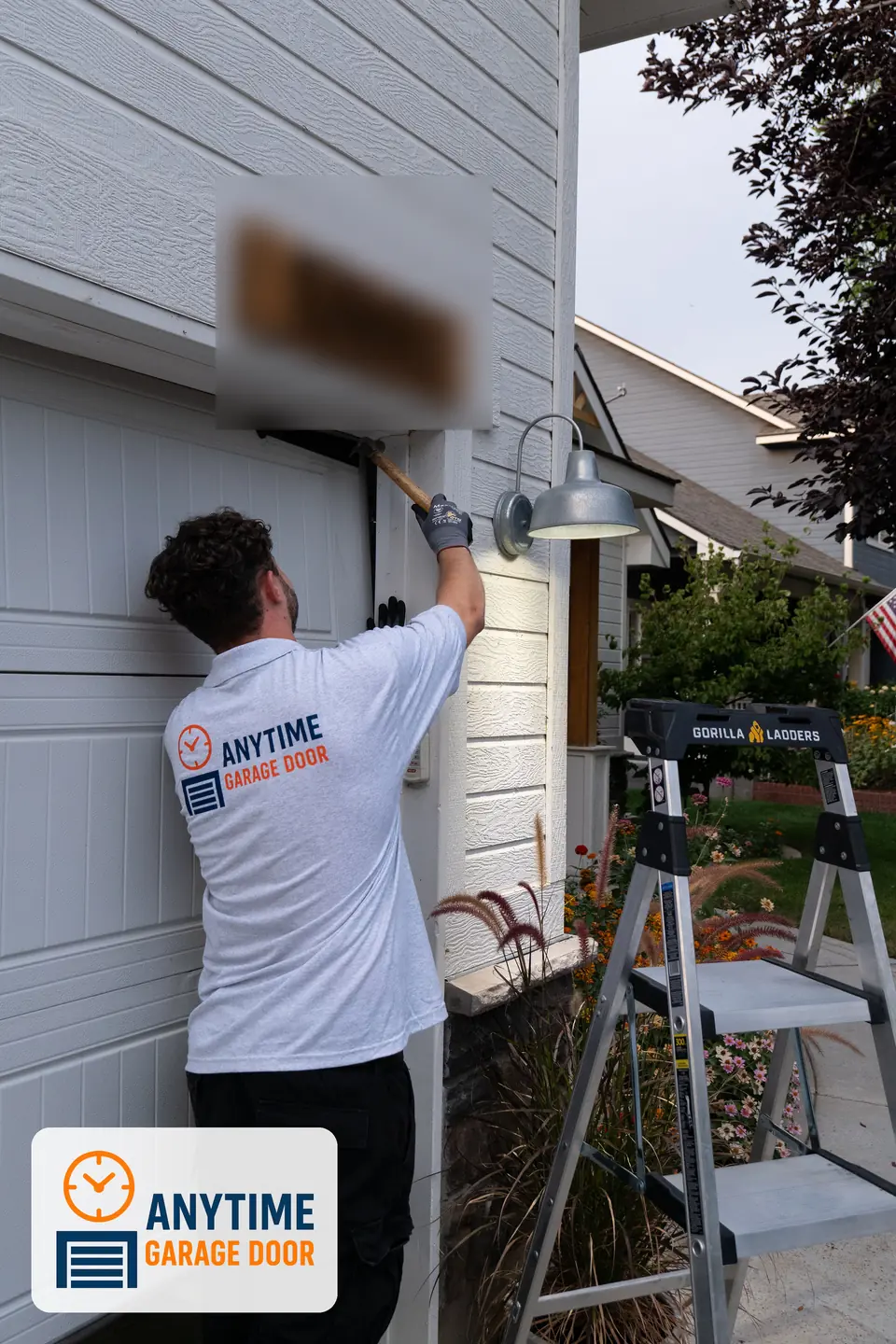
Bottom seals
On most doors, the bottom seal slides into a metal retainer channel along the bottom edge. Seals come in several shapes, and the retainer decides which one fits, so we check yours before replacing it.
If your garage floor dips or slopes, a thicker bulb-style seal can fill uneven gaps that a standard seal leaves open. A new bottom seal also changes where the door meets the floor, so we reset the opener's close limit and test the auto-reverse before we leave.
Top and side seals
Top and side seals are usually a vinyl or rubber flap attached to trim boards around the opening. When the flap gets brittle, it stops touching the door and leaves a long gap down the frame.
We set new side seals so they touch the door lightly when it's closed. Pressed too hard, they drag on the door and make the opener work harder. Too loose, and the draft comes right back.
Drafts, dust and pests
An attached garage shares a wall with your house, so winter drafts make the rooms next to it harder to keep warm, and summer wind coats everything you store in dust. Mice fit through surprisingly small gaps.
Seals stop air at the edges, but they don't make a thin, uninsulated door warm. If cold comes straight through the panels, ask us about an insulated new garage door. If a cracked or dented section keeps the seal from closing against it, panel replacement may be the fix.
Seal replacement or a tune-up?
During a tune-up we look over the seals and point out wear, but replacing them is a separate job. You can combine the two in the fall, so the door is lubricated, tested and sealed before the first cold snap.
When you call (208) 629-1567, tell us your door's width, which seals look worn, and whether you see light at the corners or along the bottom. We answer 24/7, and the quote is free.